Phones answered 24/7Toledo, OH(855) 974-4733
Free quote (855) 974-4733
Serving Lucas County

Rat and mouse control for Toledo homes and older rentals

Inspection, trapping and sealing for rats and house mice in the mid-century houses and apartments across Toledo.

  • Phones answered 24/7
  • Mice, rats and roaches
  • Termite swarms and fall invaders

Get a fast quote

Fastest: call (855) 974-4733. Or send this and we call you back.

Rats and Mice

Rat and Mouse Control: what it covers

Quick answer

Rat and mouse control in Toledo means finding where the rodents are living and how they reach the building, then removing them and closing the openings they use. Rats and house mice travel along foundation lines, through wall voids and utility runs, and up into attics. A visit starts with an inspection and ends with a check that the activity has stopped. Toledo Pest Control covers Toledo and the towns around it.

Rat and Mouse Control illustration for Toledo, OH

Rats and house mice rarely announce themselves. You hear faint scraping inside a kitchen wall after the house settles at night, find a dark pellet behind the stove, or notice that the dog keeps working at the same corner of the basement. In Toledo, where most of the housing dates to the middle of the last century, those first signs usually mean the animals have been using the structure for weeks already, moving between the wall cavities, the crawl space and the attic without being seen.

Waiting tends to make the job larger. A mouse can breed several times a year, and a few animals in a wall void can become a family group before the first trap is set. Rats are more deliberate: they dig, gnaw and follow the same runs night after night, and they will move into a second building once the first one feels crowded. Early calls are usually simpler to resolve, with fewer visits and less disruption to the house.

A rodent visit is less about the animal in front of you and more about the route it took to get there. The technician looks for droppings along the walls, rub marks where fur has worn the edge of a beam, gnawed wire or pipe insulation, and the openings that let the animals in from outside. The findings are explained in plain words before any device is placed, so you can see what is happening and decide what to do first.

Service area
Toledo & Lucas County
Availability
Phones answered 24/7
Warning signs

Signs you need rat and mouse control

Droppings, nesting material and dead animals can carry contamination, so wear gloves and a mask, and wet material before lifting it instead of sweeping it dry. Do not handle a dead rodent with bare hands. Keep bait, traps and any product you buy yourself out of reach of children and pets, and follow the label exactly. Do not enter a crawl space, a wall opening or a roof edge without the right equipment and someone who knows the route.

  • Scratching or light running sounds inside a wall, above a ceiling or under a floor, mostly after dark
  • Small dark droppings along the base of a cabinet, behind an appliance or in a utility closet
  • Gnawed food packaging, torn insulation or chewed electrical sheathing near a wall plate
  • Greasy rub marks along a baseboard, a joist or a pipe where animals repeatedly pass
  • A sweet or ammonia-like odor in a closed room, a basement corner or a crawl space
  • Burrows dug at the base of a porch, a shed or the outside edge of a foundation
  • Pet food or bird seed that disappears overnight, or a dog that fixates on one wall
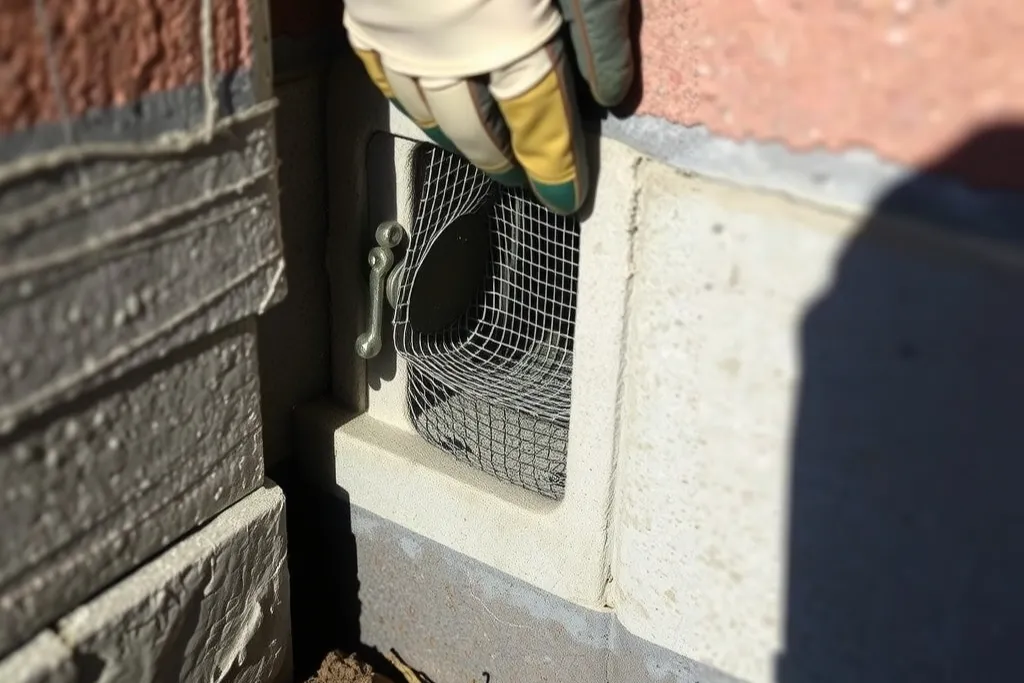
A gloved hand packing metal mesh into a gap at a block foundation wall.
An illustration of exclusion work at a foundation opening.Generated illustration of a Toledo-area house and yard of the kind described on this site. It is not a photograph of a job this company has completed.
Our process

How our rat and mouse control visit works

  1. The first call

    The conversation sorts an isolated sighting from an established problem. You describe where the activity was seen, at what hour, and how long it has gone on, and the answer tells the scheduler whether a visit should happen the same day when a technician is free or fit into the next open slot. Nothing is sprayed or set on the strength of the phone call alone.

  2. The inside walk-through

    Inside, attention goes to the kitchen, the laundry area, the basement and any room where food, warmth or stored material collects. Cabinet bases, the space behind appliances and the junction of floor and wall are checked slowly. Droppings are measured against their age and freshness, since fresh pellets and old ones point to very different situations.

  3. The exterior and foundation check

    Outside, the foundation line is followed from one corner to the next, looking for gaps at the sill, around the hose bibs, at gas and electrical entries, and where a dryer vent or air conditioning line leaves the wall. Woodpiles, shrubs against the siding and stacked lumber are noted because they give animals cover on their way to the building.

  4. Traps, bait and monitors

    Where a trap or station is the right tool, it goes in the path the animals already use, against a wall, with the trigger set for the species found. Bait is placed only where children and pets cannot reach it, and it is recorded on a map so the next visit can see what was taken. Devices are checked on a schedule rather than left to sit.

  5. Sealing and the return look

    Gaps found during the walk-through are closed with materials suited to the opening, usually metal mesh or cement-based fill rather than foam alone, since rodents gnaw through soft material. A return visit confirms that droppings have stopped, that the devices are empty and that no new openings have appeared. The report lists what was sealed and what remains to be done.

Job stories

Typical jobs for rat and mouse control

Typical job
Illustration: Typical call: droppings in a garage in south Toledo

Typical call: droppings in a garage in south Toledo

What homeowners notice
After a cold snap a household finds droppings on a shelf in the garage and hears movement inside the wall. A vacant house two lots away has a sagging porch and a yard full of cover.
What we do
The technician walks the outside at ground level and finds a gap where a utility line enters the block foundation and a door seal that no longer meets the slab. Animals are trapped first, and the openings are recorded for sealing after a monitoring period.
What to expect
The written plan lists each opening, which the technician closed, which need a carpenter, and the dates of the follow-up visit that confirms activity has stopped.

depends on the number of openings found typical visit

How do mice and rats get into a mid-century house?

Most entry happens through gaps that nobody considered doors. A mouse can pass through an opening that looks far too small to matter, and a rat can widen a soft gap by gnawing it.

Older houses in Toledo were built with block foundations, wood sill plates and utility penetrations that were cut and patched over several decades. Where the sill sits on top of the block, a small gap often runs the full length of the wall. Rodents use that gap as a highway, moving from the exterior soil into the wall cavity and then upward toward the kitchen and the attic.

Other common routes are the places where pipes, cables and vents pass through the wall. A dryer duct with a loose cover, a gas line sleeve with a ragged opening and a clothes chute can each give an animal a way into a space that feels closed. Gutters and eaves are also checked, since rats climb to the roofline when the ground is wet or disturbed.

Why basements and crawl spaces are where the trouble starts

A basement is warm, dark and often damp, which gives rodents shelter and water close together. Stored boxes, firewood and old appliances supply the nesting material and cover they need.

Crawl spaces and older unfinished basements in Toledo tend to hold more clutter than finished areas, and clutter is what rodents prefer. A cardboard box in a corner becomes a nest within days, and the animals move along the foundation wall from one pile to the next. The technician clears a path during the inspection so that devices can be placed where animals actually travel.

Moisture makes this worse. Damp soil at the base of the wall keeps insects alive, and insects are part of the diet for mice. Humidity also softens wood and insulation, which makes gnawing easier. Dealing with the storage and the wet corners is often as useful as any trap, and the inspection notes both.

What a trap line can and cannot do

Traps catch animals that are using a route, and they reveal how many animals are present. They do not close the opening that brought the animals in, so they are one part of the work rather than the whole of it.

Snap traps, multi-catch devices and enclosed stations each suit a different situation. A trap set in the open on a bare floor is rarely as useful as one placed against a wall in a line of droppings. Rodents are wary of new objects, so a trap is often left unset for a day or two while the animals learn it is safe to approach.

A catch tells you something useful. If traps fill quickly and then stop, the population is being reduced. If they go untouched for a week, either the animals have moved, or the route is wrong, or there is a different source entirely. The return visit is where that question gets answered, and the trap line is adjusted to match what the first week showed.

What moves the price of a rodent job up or down

The size of the building, how far the animals have spread, how many openings need closing and how hard the areas are to reach all shape the work. The price is explained and approved before anything starts.

A single-level house with one active room and a basement that is easy to walk is a short job. The work grows when activity is found in several floors, when the wall cavities must be opened to reach it, or when the crawl space is tight enough that a technician has to crawl its length. Each of those changes the number of visits and the amount of sealing.

Access also matters. A property with a cluttered basement, a locked storage area or a vacant unit that must be entered on a different day takes longer than the same house with the doors open. Honest findings come first, and the explanation of what drives the price is given before any device is placed, so the choices are yours to make.

When sealing is the real fix

Trapping removes the animals that are already inside, but sealing stops new ones from arriving. Without it, a building can be cleared in spring and reinfested by fall.

The sealing plan is written around the openings found, not around a standard list. A gap at the sill is closed differently from a hole around a pipe, and the material is chosen for what a rodent will try to chew. Metal mesh and cement-based fill are common because gnawing does not get through them, while soft foam is easily pulled out.

Sealing is also seasonal. Rodents move indoors when the weather turns cold, and that is when the openings are tested hardest. Closing them before that movement, and checking them after the first hard freeze, keeps the building from becoming a winter shelter.

Options

Types and options for rat and mouse control

One sighting in a single room

A single dropping or one scratching episode does not always mean an infestation. The visit confirms whether the animal is still around, looks at the likely entry, and may place a single monitor to find out. Many of these end after one visit and a sealing recommendation for the outside of the house.

Active activity in the walls

Droppings in several rooms, fresh gnaw marks and sounds within the wall cavities point to animals that are living in the structure. Trapping and monitoring often take several visits, with sealing started as soon as the openings are identified. The return look is what shows whether the population has actually gone.

Vacant or neglected building

A building nobody lives in gives rodents room to nest, and it often has openings that no one has seen in years. Work here depends on who has access and whether bait can be kept from children and pets. The report separates what a technician can do inside from what needs the owner, a contractor or the housing authority.

Rental unit in a multi-unit building

In a duplex, a converted house or an apartment building, a treated unit can be reinfested from next door within weeks. The inspection therefore covers shared walls, the basement and common utility runs, not just one apartment. The owner or manager receives a list of what was found in each connected space.

Lucas County

Why rat and mouse control is different in Northwest Ohio

The rodent calls that stand out in Toledo often involve vacant houses. A local television news report described two empty houses on the south side where neighbors blamed the buildings for rats and groundhogs, and one of them was sent to housing court while the other was listed for demolition.

The Toledo-Lucas County Health Department's environmental health division educates residents and inspects complaints, but it says it does not bait or treat properties; that work falls to licensed pest operators. The department can set traps around a neighbor's home with permission, though not inside a house. In a case reported on local television, the department would not bait a vacant property with a broken foundation wall because it could not rule out a child or pet reaching the bait.

In Point Place, a health director has described rats as already established, with greenery, railroad corridors and construction stirring them up. The advice there is simple and applies across the city: do not feed outdoor animals, keep garages and sheds clear, and cut tall grass near the house.

Skip the guesswork. Call for a straight answer.

Tell us what's happening and we'll tell you honestly whether it's a quick fix, and what rat and mouse control should cost.

Related

Cockroach Control

Species identification, inspection of harborage and a treatment plan for cockroaches in houses, flats and older rentals.

Sealing and Exclusion

Survey and closure of the gaps at sills, vents, chimneys and utility entries that let pests into Toledo homes.

Groundhog and Raccoon Removal

Den identification, timed removal and closing of the exits that groundhogs and raccoons use around Toledo buildings.

Commercial Pest Control

Scheduled monitoring, targeted treatment and written records for food service, retail and downtown buildings across Toledo.

Guides

Read before you book

FAQ

Rat and Mouse Control FAQs

How do I know whether it is mice or rats?

Droppings are the clearest clue. Mouse droppings are small and pointed, while rat droppings are larger and blunt at the ends. Tracks, gnaw marks and the places the activity is found also help, and a technician will identify the species during the first visit.

Can you come out the same day?

Phones are answered around the clock at (855) 974-4733. A visit the same day is offered when a technician is free, and otherwise the next open slot is booked. A rodent problem rarely gets worse in a single day, so the timing is set by what you are seeing rather than by urgency alone.

Will poison or bait be left where my children play?

Bait is placed only where children and pets cannot reach it, usually inside a station behind an appliance or in a wall gap. Stations are recorded on a map, and you are told where they are. If anyone in the house has concerns about a particular location, say so before the visit.

Do I need to seal the house myself?

Sealing is often the part that lasts longest, and small gaps are easy to miss. You can clear storage away from the foundation and close obvious holes with metal mesh, but the full sealing plan is written after the inspection so that every route is covered.

How long does a rodent job take?

A single sighting may need one visit and a sealing recommendation. An established problem often takes several visits over several weeks, because trapping and sealing both need time to show results. The final visit confirms that droppings have stopped and the devices are empty.

Why are rodents worse in winter?

Cold weather pushes mice and rats indoors, where food, water and warmth are easier to find. The animals then test every gap in the building. This is why late fall is a common time for calls, and why sealing before the first hard cold is worth the effort.

WhatsApp