Why do stink bugs and lady beetles come indoors in the fall?
They are looking for shelter for the winter. As daylight shortens and temperatures drop, the insects seek sheltered, stable places, and a warm, dry house offers them that shelter.
The brown marmorated stink bug is a species that gathers in buildings to overwinter, and it chooses sunny walls first, then moves into openings. The multicolored Asian lady beetle looks for sites in the same way, and it tends to appear in great numbers in some years and few in others. Invasions vary from year to year, and the weather in the preceding months shapes the scale.
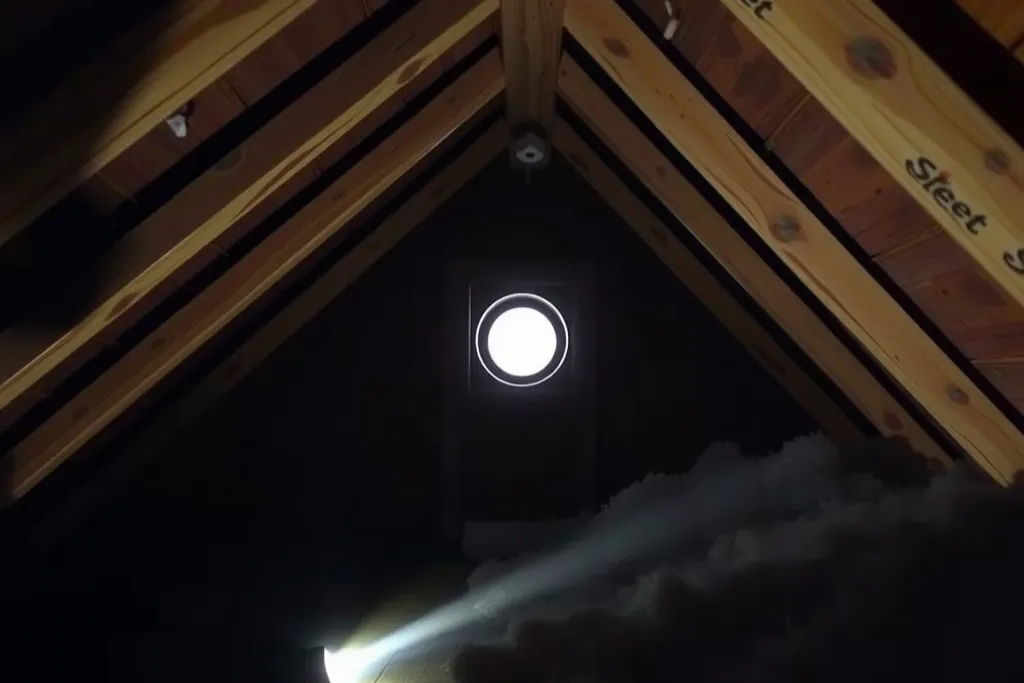
Once inside, the insects do not feed on the house or its contents. They rest in wall voids, attics and the upper-floor corners until the weather warms. Some emerge on mild winter days, which is why a few appear indoors in late winter even after the main invasion has passed.
Where do the insects get in?
Small openings around windows, chimneys, air conditioning units and the edge of the siding are the usual entry points. The insects can pass through gaps that look too small for them to use.
A window frame with a gap at the sash or the sill, a screen that does not fit tightly and a chimney without a cap are typical routes. Air conditioning lines that pass through the wall often leave a space around the pipe that an insect can use. Loose soffits and the gaps under siding give access to the attic and the wall cavities.
The technician checks the sun side of the house first, since the insects gather there before they enter. A sealed opening on that side often reduces the number of insects indoors more than any other single change.
What affects the price of exclusion work?
The number of entry points, the height and access to the roof and chimney, the condition of the siding and soffits and the amount of attic space to be checked all shape the plan. The price is explained and approved before any sealing is done.
A house with a few small gaps at the window frames and a capped chimney is a short job. A home with many gaps, a loose soffit, an uncapped chimney and an attic that must be entered takes longer, and some repairs require a separate contractor. Each of those items is listed in the report.
Access also matters. A steep roof, a tall house or an attic reached through a tight hatch takes more time. The homeowner receives an explanation of what affects the work before the visit, and the sealing plan is agreed before anything is done.
Can I vacuum the insects up?
Yes, carefully. Vacuuming removes insects from windows and corners, but the odor can linger, and crushed insects release it. The insects should be collected and disposed of outdoors when possible.
Use a hose attachment and empty the canister outdoors into a sealed bag as soon as the job is done. Avoid crushing insects, since the defensive odor clings to the vacuum and the room. Work during the cooler part of the day, when the insects are slow and less likely to fly around.
Vacuuming does not solve an entry problem. It only removes the insects that are already inside, and new ones may arrive each warm day in the fall. Sealing the openings is what reduces the number over time.